
We are your local source for natural grass fed beef, chicken, lamb and pork in Western Washington.
We are centrally located in Western Washington in Oakville. We also serve other surrounding Puget Sound area cities and counties of western Washington and the Pacific Northwest. From Marysville to Ellensburg to Portland, our animals and products have traveled to satisfied customers. Our animals, services and products are available to the counties of Grays Harbor county, Lewis county, Thurston county, Mason county, King county, Pierce county and the cities located within them. If you wondering if we offer our products and services in your area Contact Us! and we’ll let you know!
Our animals
All our animals are picked for their traits for living on forage naturally suited for them and thriving on it. Our animals do not receive grain, vaccines, wormers, pesticides, or hormones of any kind. It’s a tough life if they can’t survive in their own environment and yes some things can be devastating. That is why selecting and breeding a for certain attributes are most important. Their whole primal existence only involves a few self preserving desires. Chiefly is to consume some kind of sustenance or forage. If our animals are seeking out the best pastures for themselves something is wrong. We expect our animals to be a contributing member of the farm. Like Gordon Hazard has said in interviews and his book they participate otherwise it doesn’t work. You have to select your animals to work for you otherwise they will literally eat you up. Picking for traits that sustain themselves benefits your animals and your operations. Their health, temperament, consumption, longevity, hardiness, fertility, etc. can all be found through trait selection. We have not found a single breed or size that has all the traits. Some animals will have more good traits and some less. It’s all what you will to settle for. The traits are there, they just take time to find. We have grown to be very selective in our animals because it makes everything easier on our farm. We don’t keep any aggressive animals for example, it’s not worth any injury or death just because they produce amazing progeny. We might not be around to see the next generation of some aggressive bull because of said bull. Our families safety is priority. Other traits have been written about and found by Gearld Fry, Steve Campbell, James Drayson, Francis Guenon, Jan Bonsma and many others. Contact us if you’d like to know about other books on this subject. Selecting for traits has made our herds better and the products we offer better. We will continue breeding and selecting new animals by traits because it works.
Thoughts on growing your own forage
Growing good forage on your land will help get the best tasting meat later. Your animals will only be as good and healthy as the food supplied to them. So knowing what is in your forage and ground will directly affect their health and yours. Since our animals are on pasture most of the time this greatly effects their condition. A general observation can tell you the condition of your forages, ground conditions, varieties and species present. Sometimes though it will require soil testing to find a more in depth analysis of what is really available. After this discovery is made you will know what your options are going to be. Most times it will be a variety of recommendations that the soil needs. Compaction may be to much, soil composition may need changed, minerals may need added. Some minerals may be to high of content ppm which is harder to change quickly. There are multiple things that can be going on affecting forage health. Once these are dealt with and managed as best as possible then your forage will benefit and produce more abundantly.
Most soils need help and the biggest help we’ve found was animal impact. Our farm literally had 4 types of grass when we first came here and multiple plants/weeds you don’t want in a pasture. After the first couple years of just animal impact on the ground we had 10 different grasses growing we didn’t plant. Some weeds were less just from the animals trampling them cutting seed cycle short. Others like tansy, we hand dug and took out truckloads. FYI some roots of tansy plants will regrow if not completely dug up we’ve found out. Digging was most effective but it is a long living seed and some always come up but not truckloads anymore. Once the animal impact was happening, wonderful things happened that we didn’t have to do. Nature did it.
Even though we had more grass types growing our animals were doing good but not great. We tested and found we were lacking vast numbers of minerals and vitamins. We added a mineral sled and then the animals did amazingly better. And since the animals only take what they need from the forage they consume it was being passed right back to the soil. Almost 80% of mineral and vitamin intake passes through the animals. Then our grass grew earlier in spring and longer through the fall and moisture retention went up between rainfalls. Great things animals did for us and we just moved them around our land and let it happen.
Our advice to anyone starting on forage operation is to do a visual, then do testing, then do amendments, then add animals. We’ve done things not in that order and it’s a slower process in all aspects. Growing your own forage with the animals helping the process is the best solution. It builds your self sufficiency by growing your own forage where you know its quality. It benefits the animals health , our soils and your health later.
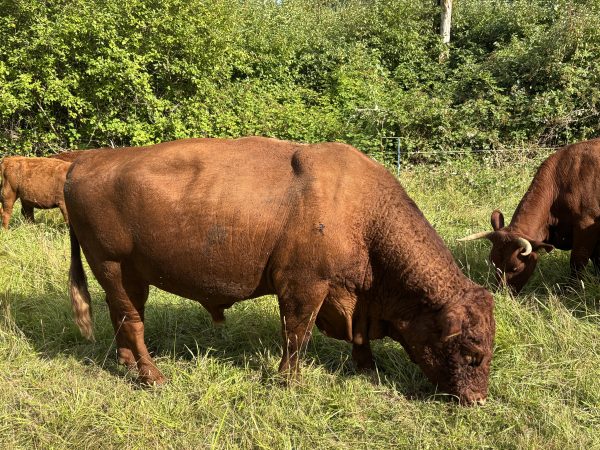
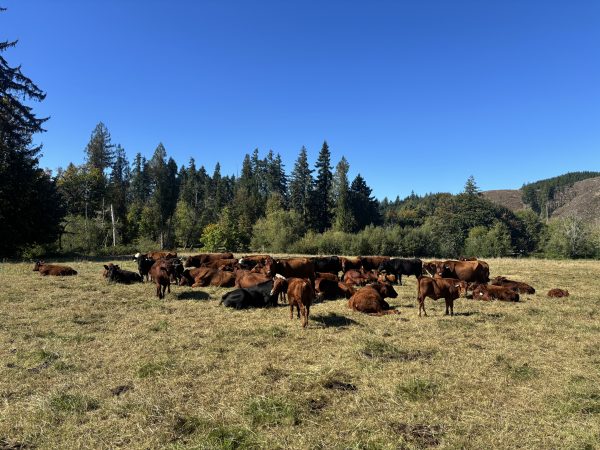
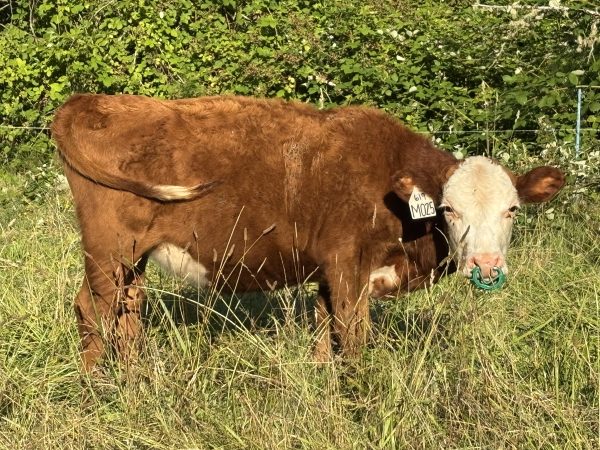
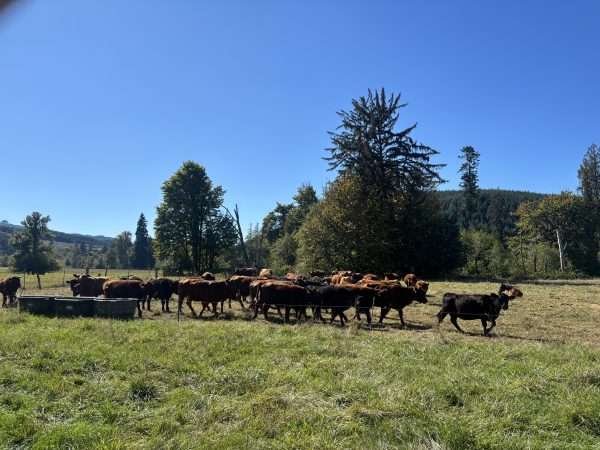
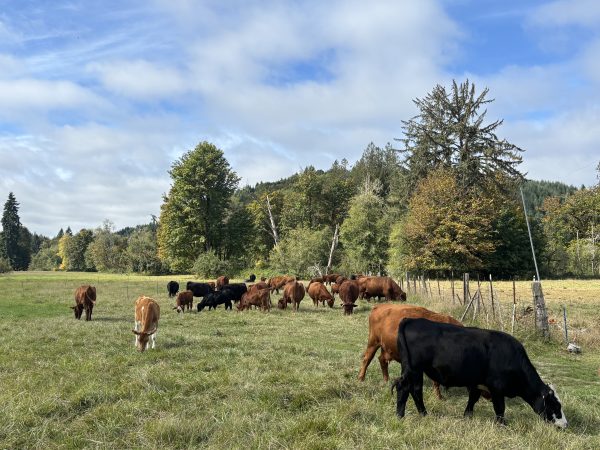
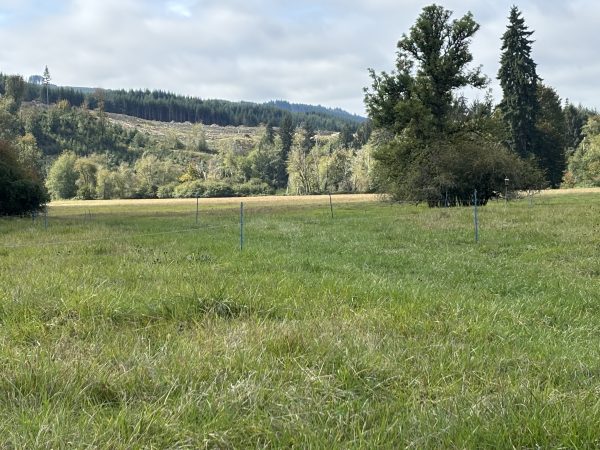
Rotational grazing, mob grazing, ultra high density grazing.... Are they different??
Rotational grazing, mob grazing, and high density grazing are they different?? Depends on who you ask really. Some will say they are vastly different, others will say they are one and the same. You can look them up by definition and see the Google or Wikipedia version but here is my opinion. I think they all three are great if truly done right by definition and all will lead to better animals, soil and forage. All three usually involve animals, fencing of some kind and time. Somewhere the time part comes for permanent fencing, temporary fencing, animals and the day to day paddock setup. Your time will be involved in all these and the management of all of them working in sync. Depending on your chosen method I do think they all overlap each other in style and end goal. Joel Salatin at Polyface Farm, Greg Judy at Green Pastures Farm and Jim Gerrish have a lot of good information about grazing in general and benefits.
Rotational grazing is the version that you rotate any said number of livestock through paddocks at set intervals. This can be 10 animals or 200 animals on 1/4 acre to 10 acre paddock moved hourly or weekly. The livestock count can vary and that count can turn rotational into mob grazing or UHD grazing real quick. Typically rotational grazing is just a set rotation of paddocks per time period. This method can quickly turn into the others if you add more animals for either soil impact, plant control, timing plant cycle, ground cover cleanup, weather conditions, etc., etc. This is where they start looking the same though.
Mob grazing is the version where in my opinion you have a set amount of animals that are being moved through the said paddocks without time constraints. Usually the livestock amount is set and the paddocks are set and when the animals are done in one space they are moved to the next in a mob. Depending on the management watching the mob through these paddocks is how long it takes. It could be a couple hours or a week.
Ultra high density grazing is always a lot of animals on a smaller space. Typically done for soil or plant management, but sometimes also for speed because of forage growth at times in season. Whatever the reason it involves a lot of animals in close quarters for a desired outcome. Namely the three said above are the predominant factors. This method I think is the one that can get you somewhere you don’t want to be the fastest if not monitored closely. It can also do wonders for the soil and grass faster than the other two methods because of the impact and density of animals in said area. Literally making this strategy a large numbers game on all aspects.
All this being said they are connected to each other by what the desired goal is, quantity of animals the area can handle, the area available, and lastly management desired. All three methods can quickly turn into another for good or bad and if you are practicing any of them it will be called regenerative farming or ranching nowadays. Any of the methods require time to be invested to make each work. Sometimes on the front end, back end or all the time. Fences, reels, hot wire, fence chargers, land available, type of environment, weather, livestock and time available are all factors in any of these. They all play into which works for your situation. We’ve tried them all because sometimes they just turn into each other or sometimes we were trying for different outcomes on purpose.
If you have questions feel free to contact us!